
The 2026 Gin Renaissance: Understanding Today’s Best Gin Drinks
If you’ve noticed that gin seems to be everywhere lately—from craft distilleries popping up in unexpected places to bartenders treating it with the reverence once reserved for aged whisky—you’re not imagining things. As it turns out, we’re in the midst of what industry insiders are calling the “Gin Renaissance,” and it’s fundamentally changing not just what we drink, but how we think about the best gin drinks.
The botanical spirit that once powered the British Navy and fuelled the Roaring Twenties is having its most remarkable moment yet. Gin now claims an astonishing 17 of the world’s 50 most popular cocktails—more than any other spirit category—with the Negroni sitting proudly at number one globally. But this isn’t just about popularity or clever marketing. Something genuine and rather exciting is happening in the world of gin, and if you’re even remotely interested in cocktails, you’ll want to understand what’s driving it.
What Exactly Is the Gin Renaissance?
The term “Gin Renaissance” refers to the remarkable revival and surging popularity of gin as a serious craft spirit. While gin has ancient roots—originating in the Netherlands in the 17th century before making its way to England, initially for medicinal purposes—what’s happening now is entirely different from anything we’ve seen before.
Moreover, in reality, this renaissance is being driven by several powerful forces that have converged at exactly the right moment. Small-batch craft distilleries have exploded across the globe, each focusing on unique botanical blends and hyper-local ingredients. We’re not just talking about London; craft gin is being produced everywhere from the Scottish Highlands to Tasmania, each bringing distinctive regional character to the spirit. The gin sector alone is forecast to reach $22.73 billion by 2030—a staggering figure that reflects genuine consumer passion rather than just trendy marketing.

In recent years, many of us have become more thoughtful about what we consume and how we spend our leisure time. When we do go out or entertain at home, we want quality and meaning, not just quantity. Gin’s versatility—from delicate and floral to bold and savoury—makes it the perfect canvas for this new era of mindful, quality-focused drinking.
Perhaps most importantly, there’s been a fundamental shift away from overly sweet, one-dimensional cocktails. Modern drinkers want complexity, balance, and genuine character in their glass. They want drinks that tell a story and showcase the spirit rather than mask it with sugar and artificial flavours. Gin, with its botanical backbone and infinite variety, is perfectly positioned to lead this charge.
The 2026 Cocktail Revolution: What’s Actually Happening Behind the Bar
Before we explore specific drinks, it’s worth understanding what’s genuinely trending in cocktail culture right now. These aren’t fleeting bar-scene fads that’ll vanish by next year; they’re fundamental shifts in how the best gin drinks are being created and enjoyed, both professionally and at home.
Savoury Is Overtaking Sweet
For decades, cocktails leaned heavily on sweet flavours—fruit juices, simple syrups, sugary liqueurs. That era is fading fast, and thank goodness for it. The most exciting gin drinks in 2026 incorporate savoury elements that create depth and genuine complexity.
We’re talking about fresh herbs like rosemary, basil, and thyme—all available in the herbs section of any supermarket. 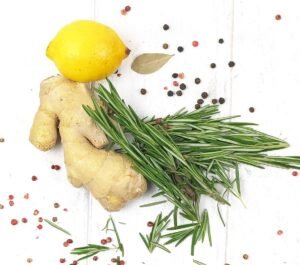 Pickled vegetables and their brines are being used thoughtfully to add acidity and punch. Even ingredients like olive brine (think beyond the Dirty Martini), cucumber, and fresh cracked black pepper are showing up in innovative ways.
This isn’t about making your cocktail taste like dinner, I promise you. It’s about balance—using savoury notes to enhance and complement the botanicals in your gin rather than drowning them in sugar. The classic Gimlet with its tart lime has always understood this balance; modern bartenders are simply expanding that palette with ingredients that feel both surprising and utterly natural.
Spice and Heat: The Warm Embrace of Chilli and Ginger
Hand in hand with the savoury trend is the embrace of genuine spice and heat. Fresh ginger has been identified as a breakout cocktail ingredient for 2026, thanks to its bold warmth and natural aromatics. You’ll find it in the produce section, and a little goes a long way.
Hot honey—simply honey infused with chilli flakes—has become a back-bar staple, adding both sweetness and a lingering, pleasant kick. Fresh peppers, black pepper, and even a careful pinch of chilli are being used to create drinks with real personality. The key word here is “balance.” The best gin drinks with heat make you want another sip, not reach for a glass of water or fan your mouth dramatically.
If you’ve ever enjoyed a spicy margarita, you understand the appeal. Now imagine that thoughtful heat applied to gin’s botanical complexity—it’s rather brilliant, actually.
Low-ABV and Session Cocktails: Quality Over Quantity
One of the most significant and lasting shifts in cocktail culture is what’s being called the “session cocktail” movement. These are drinks with lower alcohol by volume (ABV) that you can enjoy over a longer evening without overindulging or regretting your choices the next morning.
Low-ABV cocktails built around vermouth, aperitifs, and lighter spirits are no longer afterthoughts or concessions for the “lightweights” in your group. They’re sophisticated, intentional choices that let you stay sharp, engaged, and present while still enjoying something genuinely delicious. The Tom Collins, with its refreshing effervescence, has always been brilliant for this, but now we’re seeing entire menus dedicated to the concept.
Spritzes, highballs, and drinks that showcase vermouth or amaro (Italian bitter liqueurs, similar to Campari) alongside gin rather than drowning them out are perfect examples. These are among the best gin drinks for those who want to savour the entire experience—the conversation, the company, the evening—rather than just chase a quick buzz.
Minimalism: When Less Truly Is More
The days of ten-ingredient cocktails with three types of bitters, two obscure liqueurs, and a garnish that requires an engineering degree are fading, and not a moment too soon. Modern drinkers and bartenders are embracing minimalism—fewer ingredients, better quality, more respect for the base spirit.
The best gin drinks in this minimalist style might have just three or four components, each chosen deliberately to highlight rather than hide the gin’s botanical character. Think of a perfectly made Negroni—equal parts gin, Campari, and sweet vermouth. Three ingredients. Utter perfection. Nothing fights for attention; everything works in harmony.
This is brilliant news if you’re building a home bar or just learning to make cocktails. Minimalist drinks are easier to master, require fewer bottles cluttering your cupboard, and often taste better because nothing is competing or muddling the flavours. Confidence behind the bar comes from knowing when to stop adding ingredients.
Five Modern Gin Drinks You Can Actually Make at Home
Now that we understand what’s driving the renaissance, let’s look at five modern cocktails that showcase these 2026 trends beautifully. Crucially, every single ingredient below can be found at your local supermarket. No specialty shops, no obscure liqueurs, and absolutely no intimidation. These are real, published recipes from respected bartenders and cocktail authorities—not theoretical concepts, but drinks you can make tonight.
1. Thyme Gin Cocktail
Savory herb trend meets elegant simplicity.
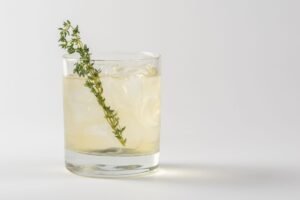
This modern cocktail showcases how a single fresh herb can transform a simple gin drink into something genuinely special. Published in late 2025, it captures the savory, herbaceous direction cocktails are taking.
Ingredients:
- 60ml Gin
- 20ml Fresh lemon juice
- 15ml Honey syrup (honey thinned with equal parts warm water)
- 3-4 fresh thyme sprigs
- Soda water to top (optional)
Method: Gently muddle 2 thyme sprigs with the honey syrup in a shaker—bruise them, don’t destroy them. Add gin and lemon juice. Shake with ice. Fine strain into a coupe (for neat) or over ice in a rocks glass and top with a splash of soda (for longer). Garnish with a fresh thyme sprig.
Why it works: Thyme has an earthy, slightly minty quality that complements gin’s botanicals beautifully. It’s more subtle than rosemary, more sophisticated than mint, and creates a drink that feels both grounded and refined.
2. Hot Honey Bee’s Knees
Spicy-sweet trend meets Prohibition-era charm.
The classic Bee’s Knees (gin, lemon, honey) was a Prohibition favourite designed to mask dodgy bathtub gin. This modern version celebrates quality gin and embraces the hot honey trend that dominated cocktail menus throughout 2025 and into 2026.
Ingredients:
- 60ml Gin
- 22ml Fresh lemon juice
- 22ml Hot honey (see method below)
Method: To make hot honey: Gently warm 100ml honey in a small pan over low heat. Add 1-2 teaspoons red chilli flakes. Let it infuse for 10 minutes, stirring occasionally. Strain through a fine mesh to remove solids. Store in a jar—it keeps for weeks.
For the cocktail: Shake gin, lemon juice, and hot honey vigorously with ice. Strain into a chilled coupe. Garnish with a lemon twist.
Why it works: The honey adds floral sweetness, the lemon provides brightness, and the chilli brings a warm, lingering heat that’s genuinely addictive. Hot honey became one of the most-searched cocktail ingredients in 2025, and once you try it, you’ll understand why.
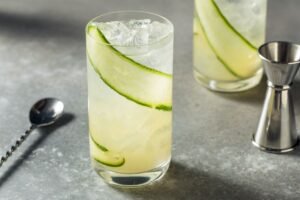
3. Cucumber Collins
Classic template meets modern freshness.
This variation on the Tom Collins has appeared on cocktail menus worldwide as bartenders embrace fresh, vegetal flavors. It’s refreshing, elegant, and showcases cucumber’s clean, crisp character.
Ingredients:
- 50ml Gin
- 25ml Fresh lemon juice
- 15ml Simple syrup
- 3-4 fresh cucumber slices
- Soda water to top
Method: Muddle cucumber slices in a shaker. Add gin, lemon juice, and simple syrup. Shake with ice. Fine strain into a highball glass over fresh ice. Top with soda water. Garnish with a cucumber ribbon and lemon wheel.
Why it works: The cucumber adds a subtle, refreshing vegetal note that feels both spa-like and sophisticated. It’s the epitome of the “clean eating” approach to cocktails—fresh, light, and genuinely delicious.
4. Ginger Rogers
Spicy, sophisticated, and perfectly balanced.
This modern gin cocktail embraces the spicy trend with fresh ginger—identified as one of the breakout cocktail ingredients for 2026. Variations of this drink have appeared across craft cocktail bars.
Ingredients:
- 50ml Gin
- 25ml Fresh lemon juice
- 15ml Ginger syrup (or muddle fresh ginger)
- 10ml Simple syrup
- Ginger beer to top (optional, for more ginger kick)
Method: If using fresh ginger, muddle a 2cm piece (peeled and sliced) with the simple syrup. Add gin and lemon juice. Shake with ice. Fine strain into a coupe for a spirit-forward drink, or strain over ice in a highball glass and top with ginger beer for a taller, more refreshing serve. Garnish with candied ginger or a thin ginger slice.
Why it works: Fresh ginger provides bold heat and aromatic complexity. The ginger-gin combination is genuinely brilliant—the botanicals and the spice play off each other beautifully.
5. Elderflower Gin Spritz
Low-ABV elegance for session drinking.
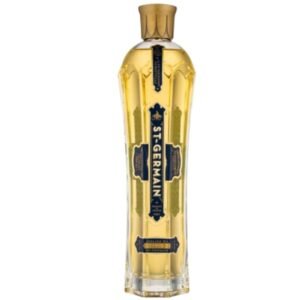
This light, floral spritz has become a modern staple for those seeking lower alcohol options. St-Germain elderflower liqueur pairs naturally with gin’s botanicals.
Ingredients:
- 30ml Gin
- 20ml Elderflower liqueur (St-Germain)
- 15ml Fresh lemon juice
- Prosecco or sparkling wine to top
- Soda water (optional, for even lighter)
Method: Build gin, elderflower liqueur, and lemon juice in a large wine glass over ice. Top with Prosecco or Bulle de Blanquette, and a splash of soda if desired. Stir gently. Garnish with a lemon twist and fresh mint.
Why it works: At roughly 8-10% ABV, this is genuine session territory. The elderflower adds floral sweetness without being cloying, and the bubbles keep it lively and refreshing. You can enjoy two or three over an afternoon and remain perfectly coherent.
Why This Matters: The Bigger Picture
The Gin Renaissance isn’t just about trying new drinks or following trends for the sake of it. It represents something more meaningful: a return to thoughtfulness, quality, and genuine appreciation in how we drink.
We’re moving away from the “more is more” mentality—more ingredients, more alcohol, more spectacle—toward drinks that respect both the spirit and the drinker. The best gin drinks in 2026 aren’t trying to show off or overwhelm you; they’re trying to offer you something genuinely enjoyable and memorable.
Whether you’re partial to the classics like the Singapore Sling with its tropical complexity or the straightforward elegance of the Bramble, or you’re excited to experiment with savoury herbs and fresh ginger, there’s never been a better time to explore what gin can do.
The beauty of this renaissance is that it’s not exclusive or intimidating. You don’t need a laboratory setup, rare bottles, or a diploma in mixology. You need decent gin, fresh ingredients, proper technique, and the confidence to enjoy what you’re making. That’s it.
If you want to master the foundations before experimenting with these modern variations, I’d strongly recommend exploring the 15 essential classic gin cocktails that form the backbone of any serious home bar. Once you understand those classics, the modern variations become logical extensions rather than mysterious experiments.
Final Thoughts
The Gin Renaissance is real, it’s thrilling, and it’s happening right now in bars and home kitchens around the world. The best gin drinks aren’t about showing off or memorising complicated recipes—they’re about understanding balance, respecting quality ingredients, and having the confidence to make something delicious without overthinking it.
Start with the classics. Understand why they’ve survived for a century or more. Then, when you fancy something different, reach for that sprig of rosemary, some chilli’s or knob of fresh ginger and see what happens. You might just discover your new favourite drink.
Now, if you’ll excuse me, I’ve got a Cucumber Collins calling my name, and the afternoon sun is hitting the terrace just right…
Cheers!
1. Drinks International – The World’s 50 Best Bars Academy cocktail rankings
2. Grand View Research – Gin Market Size Analysis and Industry Report (2024-2030)
3. Bacardi Cocktail Trends Report 2026 – “More is More Mixology” and cocktail culture trends
4. Tasting Table – “8 Cocktail Trends To Look Forward To In 2026” (Sara Kay, January 2026)
5. Various publications – Hot honey cocktail ingredient trend data (2025)
6. Liquor.com – Modern gin cocktail recipes and techniques
7. Wine Enthusiast – Contemporary gin cocktail trends (2024-2025)
8. Gastronomblog – Hot Honey Bee’s Knees recipe (June 2023)
9. Expert commentary from bartenders and mixologists including Jörg Meyer (Gin Basil Smash creator), and contemporary cocktail recipe developers