
Cathar Country Guide – What to See and Do
Cathar Country is the region of the French Pyrenees, known locally as Occitanie, where in the late 12th and early 13th centuries a Christian sect gained widespread popularity. This popularity stemmed from a loss of trust in the Vatican, where greed, abuse of power, and blatant double standards had left the Roman faith a negative example to common people.
The Cathars were not called Cathars at the time; they referred to each other as Good Christians, Good Men, and Good Women. The Christianity they practiced was, they believed, very close to the original teachings of Jesus and the Apostles. They were dualists, meaning they believed in two Gods: a good God who made the heavens and all things divine, and an evil God who created sin, greed, and earthly pleasures.
Cathars were pescatarian. They did not eat anything that was a result of intercourse, as they believed animals were reincarnated souls; this included eggs and all dairy. They did, however, eat fish, believing that fish were created by spontaneous generation for the purpose of feeding the masses. They had strict rules about abstaining from sexual activity. In fact, once elevated to an elder of the church, a Cathar was forbidden from sexual activity completely. The Cathars did not believe in killing any living thing; this included animals, people, trees, plants, and even flowers. They believed that every living thing was a reincarnated soul—with the exception of fish.
Both men and women could become elders of the church. I say “church,” but the Cathars did not have a specific building designated for worship. They believed that the building of churches was against God’s teaching and encouraged the kind of power abuse and corruption that they so despised in the Roman church.
At the beginning of the 13th century, Pope Innocent III declared the Cathars heretics. As they refused to change their beliefs, he ordered that they all be killed. He decreed a crusade against any person in the region who did not swear allegiance to the Vatican—and so it began. Men, women, and children were slaughtered with extreme prejudice. It is said that during what became known as the Albigensian Crusade, one general of the crusaders uttered a phrase that has been quoted ever since: “Kill them all; God will know His own.”
King Philip II sent his most war-hungry lords to conduct the crusade. Simon de Montfort and Bouchard de Marly were chosen to lead, which essentially pitted French lords from the north against French lords from the south.
This horrific and bloody crusade rolled on for over 50 years. While it is impossible today to estimate exactly how many people lost their lives, it is reasonable to say that almost every person in the region resisted the crusade and the Vatican. The only people who escaped being slain in battle or burnt at the stake, if captured, were the very few who managed to flee to either Northern Spain or Northern Italy, where Cathar beliefs were practiced. In fact, the Occitan language was also in use there. Those who remained could either convert to Catholicism or keep to themselves and hope nobody came for them.
anglophone-direct.com
The crusade eventually ended around 1255, when there were no Cathars left to murder. There were, however, large numbers of Cathars in the Lombardy region of Italy, where many French Cathars had fled. The Roman Church eventually wiped out these remaining Cathars circa 1275.
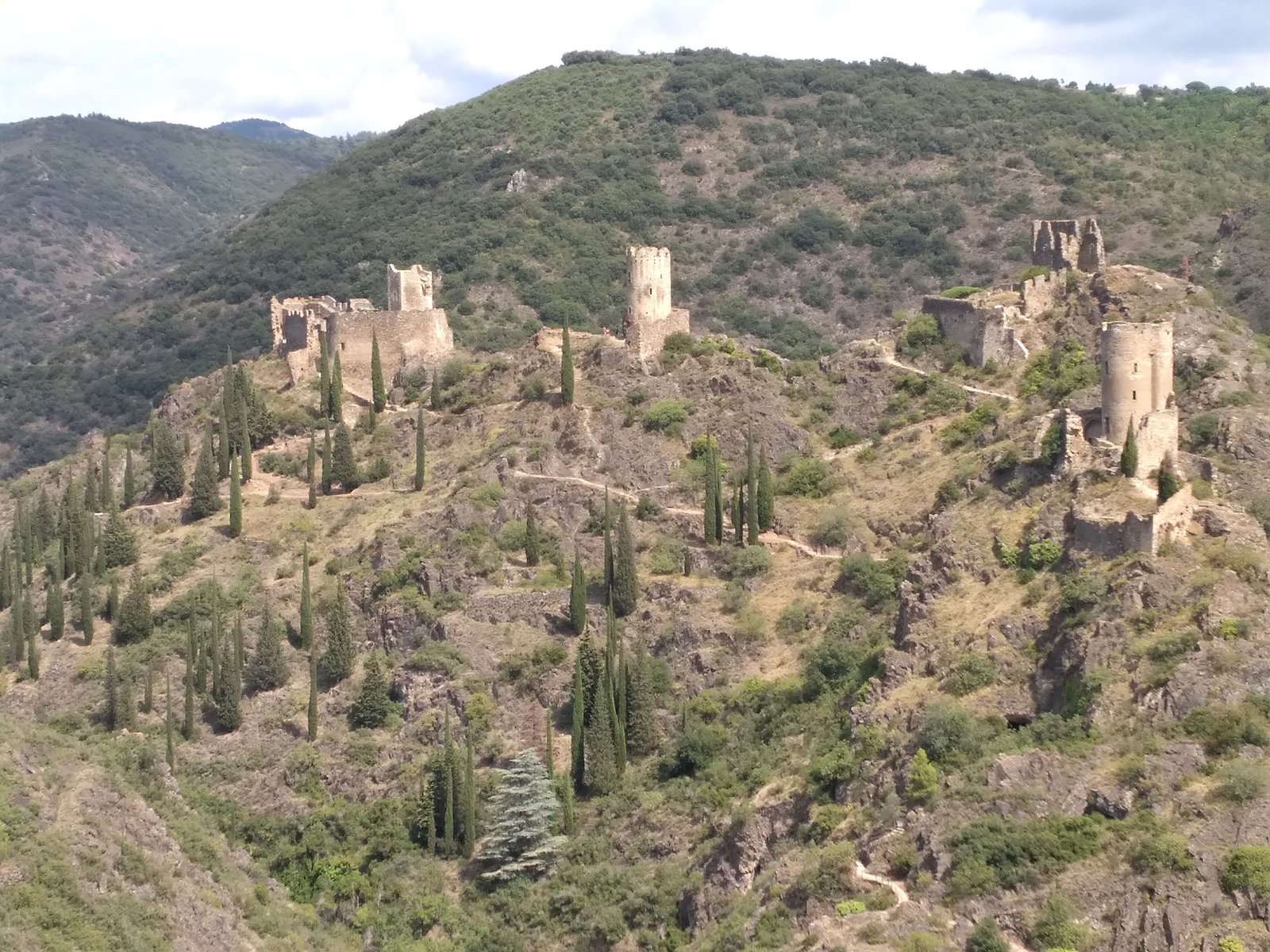
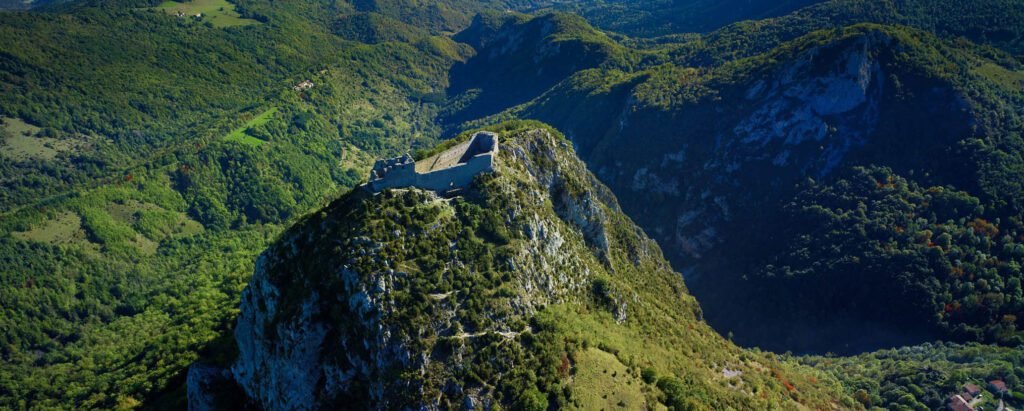
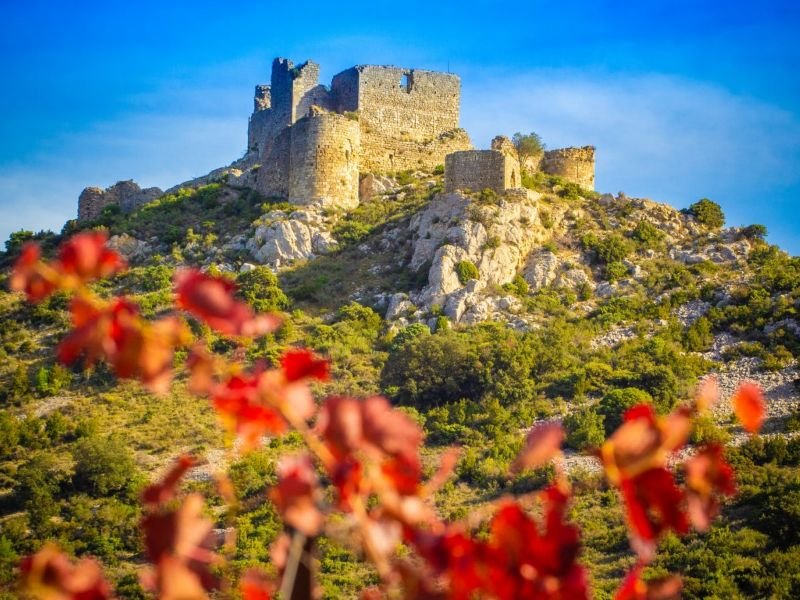
Today, Cathar Country—or Occitanie—has tourist offices at most of the important Cathar sites, allowing visitors to marvel at the ancient fortifications and castles that were used by the Cathars to shield themselves from the crusaders. These impressive stone structures, often high on a mountain range, will baffle and intrigue in equal measure as you try to imagine how they were erected with the limited technology available.
The history of the Cathars has not been forgotten, and as a topic of fascination, their popularity continues to grow. The Good Men and Good Women who paid the ultimate price for their beliefs nearly 800 years ago still represent freedom, resistance, and solidarity. And although there is plenty to do in this region of France, the history of the Cathars is never far away.