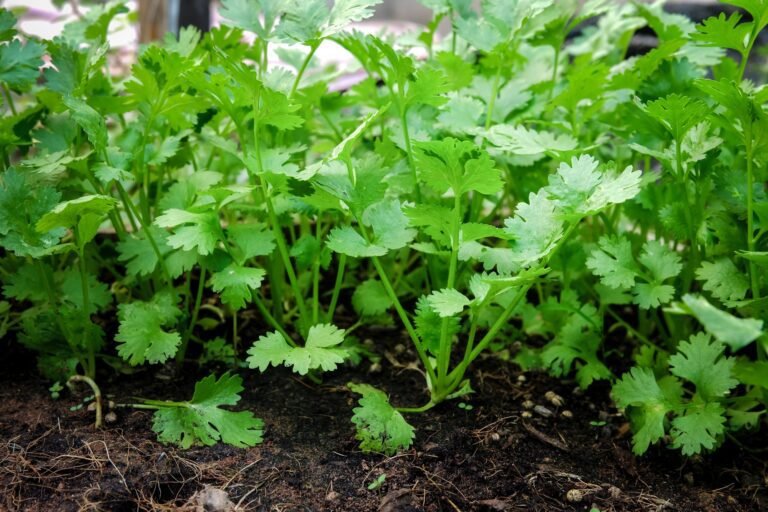

Marjoram

Poor marjoram. It has spent most of its life being mistaken for oregano, which is a bit like being introduced at a party as somebody else’s younger sibling. The two are related — same genus, same Mediterranean hillsides — but they are not the same herb and they do not behave the same way in a pan.
Oregano is the loud one. Marjoram is the one worth sitting next to. It smells and tastes like a cross between oregano and thyme: more subtle than oregano, sweeter than thyme, with a warm, faintly floral edge that oregano simply doesn’t have. Where oregano barges into a tomato sauce and announces itself, marjoram slips in and makes everything around it taste more like itself.
That makes it a quietly brilliant thing to have to hand. It is lovely with tomato — pizza, pasta sauce, anything slow and red — and very good with poultry. It works as a garnish for soups, salads and meat dishes, it lifts sauces and dressings, and it is a nice addition to a bouquet garni.
It also makes an excellent flavoured oil, which takes about a minute. Mix 1 tablespoon (15 ml) of your favourite oil with 1 teaspoon (1 gram) of marjoram, leave it to sit, and use it for everyday cooking or to marinate vegetables and meats. Do this once and you will keep a jar of it going. Sweet marjoram, to give it its proper name, has been growing across the Mediterranean, North Africa and western Asia for thousands of years, and it turns up in two of the great spice blends: herbes de Provence, alongside lavender, basil, rosemary, thyme and fennel; and za’atar, alongside oregano, thyme, sesame and sumac. Not bad for the herb nobody can pick out of a line-up.
It is linked to a handful of health benefits — reduced inflammation, better digestion — and has traditionally been used to ease period pain. Enjoy that as a bonus rather than a reason: you are cooking with a teaspoon of the stuff, and the flavour is the point.
One warning if you plan to grow marjoram : sweet marjoram is not reliably hardy, and what finishes it off is not the cold so much as a wet winter sitting round its roots. Grow it in pots and bring them in when the weather turns. Through spring and summer it will flower and pull in the bees and butterflies, so it earns its keep in the garden as well as the kitchen.
Fresh vs dried? Room for both, and this is the rare herb where I mean that. If you have no herb garden, don’t worry — unlike most dried herbs, marjoram holds on to its flavour and its scent in the jar.
Marjoram. Underrated, unfailingly good-tempered, and a first-class pollinator. Give it a go.
**Updated 20.08.26**