
Heart-Friendly Foods
Featured Heart-Healthy Recipes:
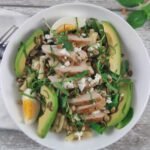


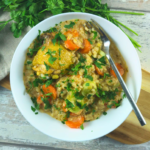

Begin your journey to optimum heart health with conscious food choices, as they play a crucial role in supporting your heart. Eating a balanced diet not only nourishes our bodies but contributes to promoting cardiovascular well-being. By understanding the significance of a nutritious diet, we pave the way for a heart-healthy lifestyle.
Shellfish and the Benefit of Leeks: Shellfish, and seafood in general, provide an ideal package of nutrients and make an important contribution to a healthy diet. For this reason, we are advised to eat two portions per week, with one being rich in the healthy omega-3 variety of fats. Research indicates the health benefits of eating shellfish include reducing the risk of heart disease, supporting your immune system, and protecting your vascular health. No wonder shellfish is a Superfood!!
Incorporating leeks into these seafood dishes provides even further protection. Leeks contain heart-healthy plant compounds shown to reduce inflammation, cholesterol, and blood pressure. Regularly consuming leeks can also help prevent the formation of blood clots and reduce your overall risk of heart disease.
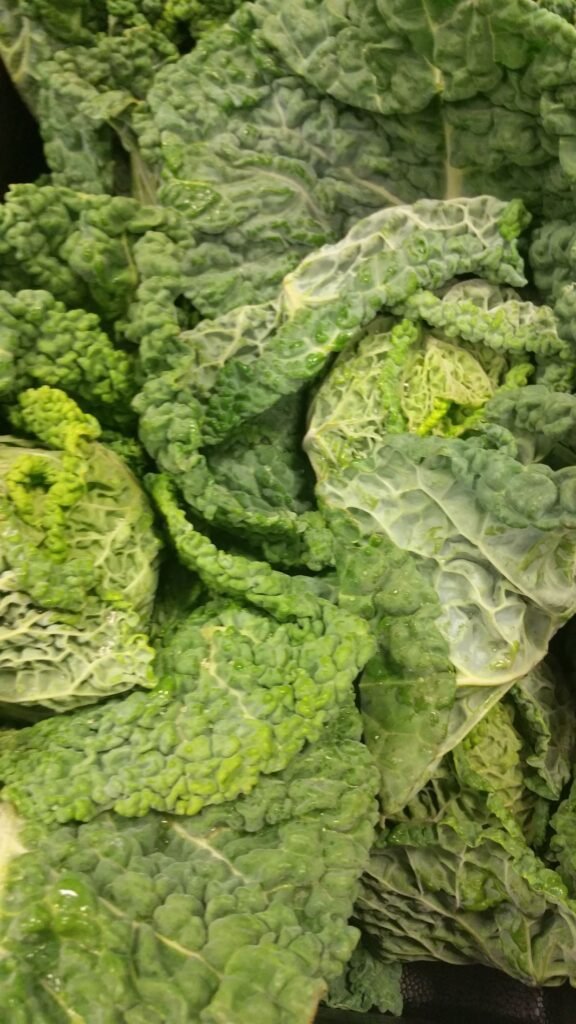
Mediterranean Staples: Tomatoes, Herbs, and Olive Oil: Cultivating a heart-healthy diet involves embracing various nutrient-rich foods. Incorporating tomatoes, herbs, cabbage, and olive oil can support the heart effectively. Tomatoes, bursting with flavour and rich in antioxidants, help reduce inflammation and improve cholesterol levels. You can enjoy these heart-protective properties in a traditional Bolognese sauce.
 Herbs such as dill, basil, rosemary, mint, and oregano add aromatic depth to dishes and offer potential cardiovascular advantages. These herbs contribute to heart health by supporting overall vascular function. Whether you are preparing a Chicken Breast stuffed with Olives and Feta or serving Cheese and Olive Bites, you are utilising heart-protective fats. Olive oil and olives, cornerstones of the Mediterranean diet, are loaded with monounsaturated fats and antioxidants. Regular consumption is associated with a reduced risk of heart disease.
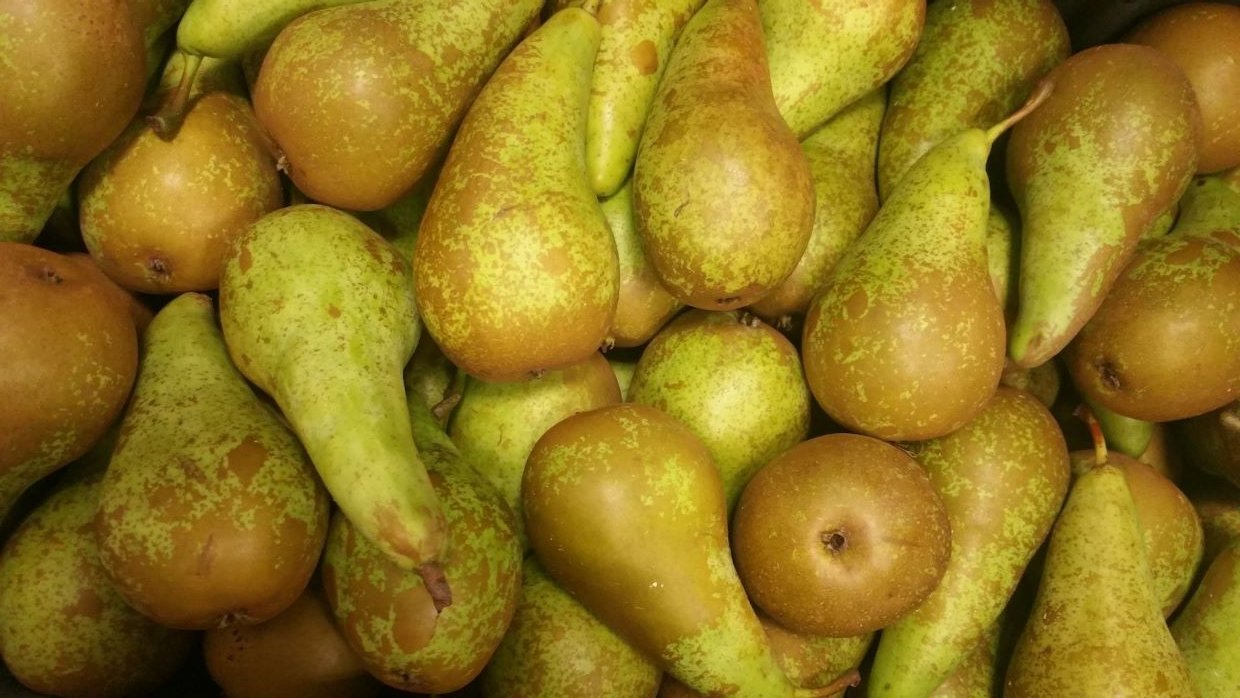
Nourishing Fruits and Ancient Grains: Apples and pears provide a heart-healthy dose of fibre and antioxidants. The soluble fibre in them, particularly in the skin, helps lower cholesterol and maintain stable blood sugar levels. These fruits work well as a snack, and our American Breakfast Pancakes contain wheat germ.
Cranberries, whether fresh or dried, are dripping with superfood status – they have two big benefits for heart health: lowering blood pressure and improving cholesterol. Some studies suggest that drinking low-calorie cranberry juice regularly can raise HDL (good) cholesterol and lower LDL (bad) cholesterol.

Olive oil, and Olives, a cornerstone of the Mediterranean diet, are a heart-protective fat loaded with monounsaturated fats and antioxidants. Regular consumption is associated with reduced risk of heart disease by improving cholesterol profiles and reducing inflammation. Drizzling olive oil over salads or using it for cooking elevates flavours and contributes to heart wellness.
Finally, whole grains are consistently linked to better heart health. Regularly adding barley to your diet, such as in a Spiced Pumpkin, Barley & Radicchio Salad, may lower your risk of heart disease. Other grains, such as rye, contain manganese, magnesium, and B-complex vitamins. Rye is known for being heart-healthy and is beneficial for those managing high blood pressure. You can even enjoy these grains in Chocolate, Rye and Spice Cookies.
The choices we make in our daily meals are not just about satisfying hunger; they are essential building blocks for a robust cardiovascular system. By actively selecting nutrient-packed foods such as vibrant fruits, nourishing vegetables, and wholesome grains such as wheat germ, we lay a solid foundation for heart health.
Other Heart Friendly Foods:
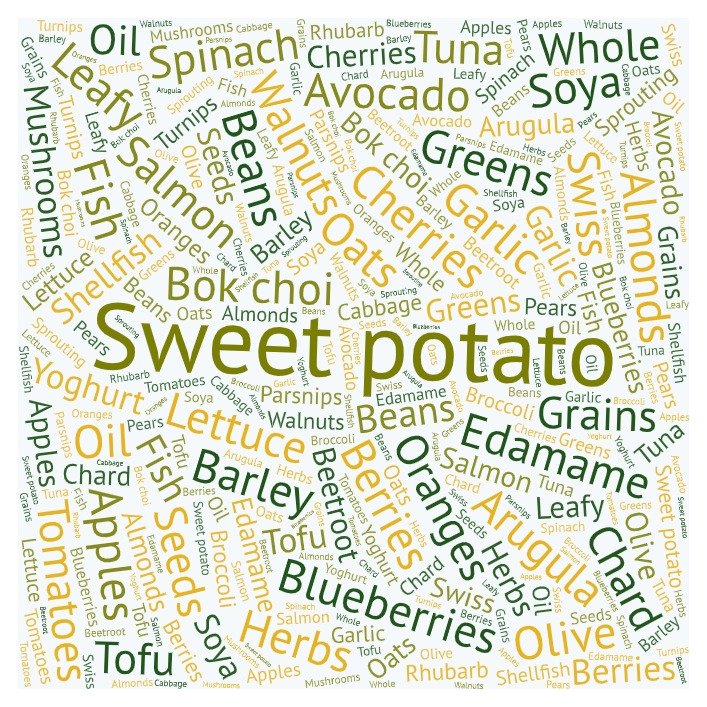
A-Z of Heart-Healthy Ingredients:
- Apples & Pears – Crisp sources of soluble fibre (pectin) that help manage cholesterol levels.
- Barley & Rye – Ancient grains rich in manganese and magnesium to support healthy blood pressure.
- Basil, Rosemary & Oregano – Aromatic herbs that reduce inflammation and support vascular function.
- Cabbage & Leafy Greens – Nutrient-dense vegetables like curly cabbage that provide essential minerals.
- Cranberries & Berries – Antioxidant powerhouses known to improve HDL (good) cholesterol.
- Dill & Mint – Fresh herbs that add aromatic flavour while promoting overall heart well-being.
- Extra Virgin Olive Oil & Olives – The cornerstone of the Mediterranean diet, loaded with monounsaturated fats.
- Fatty Fish (Salmon & Tuna) – Rich in Omega-3 fatty acids to reduce the risk of cardiovascular disease.
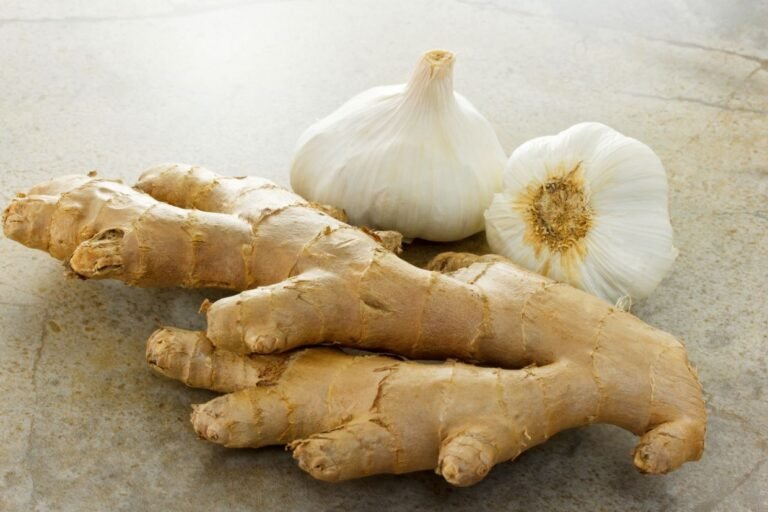
- Garlic & Leeks – Essential staples that reduce inflammation, prevent blood clots, and support circulation.
- Pumpkin Seeds & Walnuts – Nutrient-dense snacks providing plant-based Omega-3s and minerals.
- Shellfish & Seafood – Superfoods that offer a unique package of nutrients for immune and heart health.
- Tomatoes & Red Peppers – Vibrant vegetables packed with lycopene to help lower blood pressure.
- Wheat Germ & Whole Grains – Wholesome building blocks for a robust and resilient cardiovascular system.
Frequently Asked Questions about Heart Health:
What are the most important fats for a healthy heart?
Monounsaturated fats and omega-3 fatty acids are key for cardiovascular health. Monounsaturated fats are healthy fats found in foods like olive oil, avocados, and nuts; they help reduce bad cholesterol and support overall heart function. Omega-3s, found in fatty fish like salmon, sardines, and walnuts, reduce inflammation and support healthy blood vessels. Including a mix of these fats in your daily meals can help maintain a strong, healthy heart.
Can a Mediterranean diet help prevent heart disease?
Absolutely. A Mediterranean-style diet emphasizes whole grains, fresh vegetables, fruits, legumes, nuts, and lean proteins, which provide heart-protective nutrients like fiber, antioxidants, and healthy fats. Regularly consuming foods such as barley, rye, berries, and olive oil can help lower cholesterol, support healthy blood pressure, and reduce the risk of cardiovascular disease over time.
How can I easily incorporate heart-healthy ingredients into my daily meals?
Adding heart-protective foods is simpler than you might think. For lunch, try a Spiced Pumpkin, Barley Salad , packed with soluble fiber and minerals. For dinner, enjoy a Chicken, Leek, and Barley Casserole, combining lean protein with fiber-rich grains. Even small swaps, like using olive oil instead of butter or adding a handful of walnuts to your breakfast, can provide significant benefits over time.