
The Humble Spud: Discovering the True Potato Health Benefits
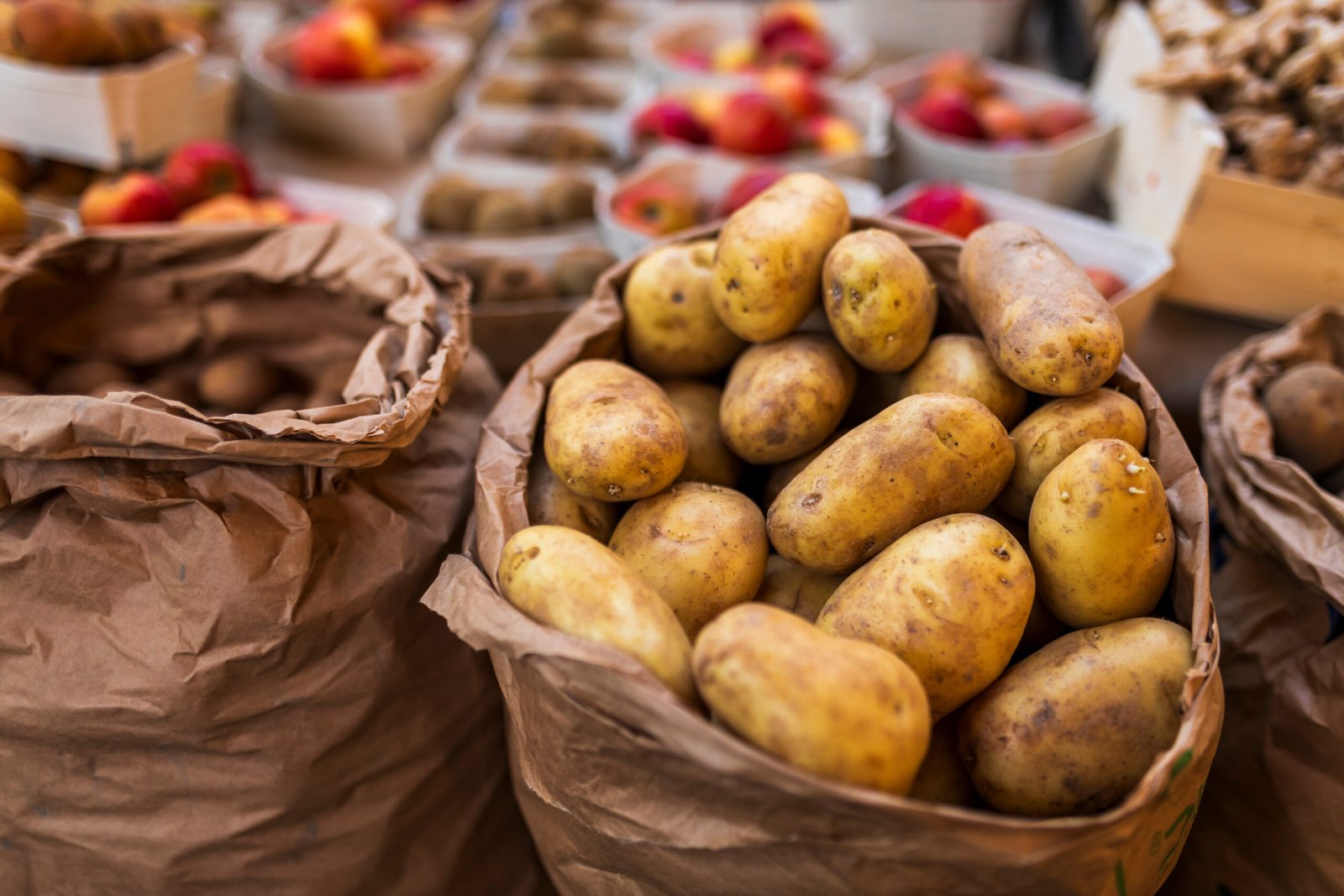
What is the best-kept secret in the modern health circle? I genuinely believe the incredible potato health benefits are one of the most underrated treasures in nutrition—hidden right beneath a layer of garden dirt.
While trendy powders and imported “super-berries” dominate the headlines, the most powerful tool in your kitchen is probably sitting quietly in a nylon bag in your pantry.
The potato—so often misunderstood as a diet deal-breaker—is, in reality, a complex carbohydrate powerhouse. I’ve always had a soft spot for them. Years ago, when I was a student struggling to pay the rent, I practically lived on baked potatoes. Back then, I chose them because they were cheap, incredibly filling, and excellent value for money. I didn’t realise I was accidentally fuelling myself with a nutritional titan. 
To this day, I could eat potatoes every single day—and now that I truly understand the potato health benefits, I do so with even more appreciation.
The Science of Staying Full: The 323% Factor
If we define a superfood by its ability to nourish and sustain us, the potato may be the undisputed champion.
In a landmark study on satiety (the feeling of fullness), researchers at the University of Sydney compared 38 common foods. The boiled potato didn’t just win—it dominated. It was ranked three times more filling than white bread.
This confirms what I instinctively felt during those student days: a potato stays with you. It provides steady, high-performance fuel that keeps you satisfied—without the energy crash often associated with processed grains. When people ask “are potatoes healthy?”, this study alone tells a powerful story.
The “Cool” Biohack: Gut Health and Resistant Starch
One of the most important potato health benefits actually appears after the potato is cooked.
When you boil a potato and allow it to cool, it develops resistant starch. Think of this as a carbohydrate that behaves like fibre. Instead of being rapidly digested in the stomach, it travels to your gut, where it feeds beneficial bacteria.
This process supports gut health, lowers inflammation, and helps keep your metabolism humming. It’s a simple preparation shift with outsized benefits—especially for anyone focused on digestion and long-term metabolic health.
The Glycaemic Hack: Don’t Spike, Just Steady
Glycaemic impact is simply a measure of how quickly a food turns into sugar in your bloodstream. To fully unlock the potato health benefits, the goal is steady energy—not a spike and crash.
The mistake:
Mashing hot potatoes with heavy cream. This breaks down their structure, causing them to hit your system like a sugar rush.
The hack:
Keep the skins on and eat potatoes whole or sliced.
The pro move:
Does the recipe or technique require the spuds to be peeled? Add a splash of vinegar or lemon juice. The acidity slows digestion and lowers the glycaemic response, turning potatoes into a slow-burn energy source rather than a quick hit. Understanding the glycaemic index of potatoes is less about avoidance and more about smart preparation. 
The Beauty and Bone Connection
Beyond energy and satiety, potatoes quietly support long-term structural health:
For Glowing Skin: Potatoes are rich in vitamin C and copper—two essential nutrients involved in collagen and elastin production, the proteins responsible for firm, resilient skin.
For bone and Joint Health: They provide magnesium and manganese, minerals that help build bone density and support healthy cartilage.
For Eye Health: Variety matters here. Yellow-fleshed potatoes like Yukon Gold contain lutein and zeaxanthin—antioxidants that act like internal sunglasses, helping protect your vision from daily strain.
This is where potato nutrition often surprises people the most!
A Global Guide: Choosing the Right Spud
To get the most from your potatoes, choose varieties suited to your region—and always leave the jackets on to double your fibre intake.
| Region | Best Variety | Why It Works |
| USA | Yukon Gold | A hybrid of North American white and South American yellow potatoes; buttery, antioxidant-rich |
| USA | Russet | Ideal for fluffy baked potatoes with excellent fibre |
| UK | Maris Piper | The gold standard for rustic roasting |
| Europe | Monalisa | Waxy, elegant, perfect for salads |
| Asia | May Queen | Smooth texture that absorbs curry spices beautifully |
Conclusion:
The potato isn’t a guilty pleasure—it’s a high-performance fuel that’s affordable, versatile, and backed by science.
Whether you’re a student on a tight budget or a wellness enthusiast seeking truly functional nutrition, the evidence is clear: you should absolutely prioritise the many potato health benefits. Sometimes the most powerful foods aren’t exotic—they’re simply misunderstood. 🍽️
Frequently Asked Questions about Potato Health Benefits:
1. Are potatoes empty carbs like white bread or pasta?
Absolutely not. Unlike refined grains, a potato is a whole, unprocessed root vegetable. It carries its own fibre, vitamins, and minerals. When you eat a potato, you are getting a significant dose of Potassium, Vitamin C, and B6. As long as you keep the skins on, you are eating a complex carbohydrate that provides sustained fuel.
2. Does it matter how I cook them?
Method is everything. To maintain the nutritional status of potatoes, baking and boiling are the gold standards. Baking a potato in its skin seals in the nutrients. Avoid deep-frying in refined oils, which adds inflammatory fats and negates the natural health benefits.
3. Do potatoes cause weight gain?
Potatoes themselves are surprisingly low in calorie density. The weight gain reputation usually comes from the processed toppings we add. Because they rank so high on the Satiety Index, they actually help with weight management by making you feel genuinely full.