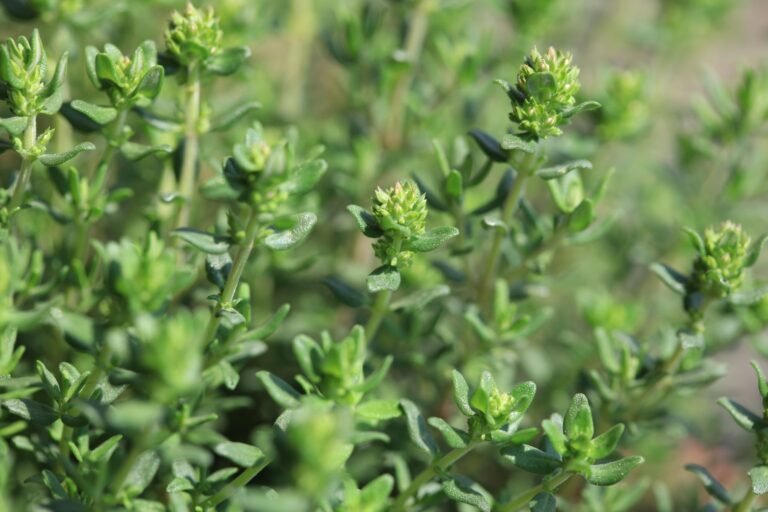

Mint

Mint is not just another pretty herb; it’s a Super Star that elevates any dish. Its origins can be traced back to the ancient civilizations of the Middle East and the Mediterranean. The Egyptians were known to use the plant for its medicinal properties, whilst the civilisations of the Mediterranean used it for its aromatic qualities.
Today, this herb is grown all over the world and is popular in both sweet and savoury dishes along with flavouring cocktails, such as the classic Mojito and Mint Julep and used in tea infusions.
Mint is brilliant in salads and dressings, it livens up lamb and other meat dishes and can be used in desserts and dips- its quite the versatile herb.
Growing mint in your herb garden is very easy and is relatively pest free. Choose a sunny, well drained location with a lot of space as mint spreads and can quite easily take over a large amount of space. They produce “legs” that spread, and this can be managed very quickly with a snip of the scissors. If you would rather not police it, sink a bottomless pot into the bed and plant into that — the roots stay where you put them. In our garden, this plant is a perennial and just keeps spreading and giving!
Mint has been used to settle the stomach for as long as anyone has been writing these things down, and peppermint oil is still used for exactly that today. Menthol is the compound that clears your head when you have a cold, and it is why mint has been the flavour of toothpaste and breath fresheners for well over a century.
You really can’t go wrong adding some mint to your diet. Fresh vs Dried? I’ll go with fresh every time.
**Updated 18.07.26**