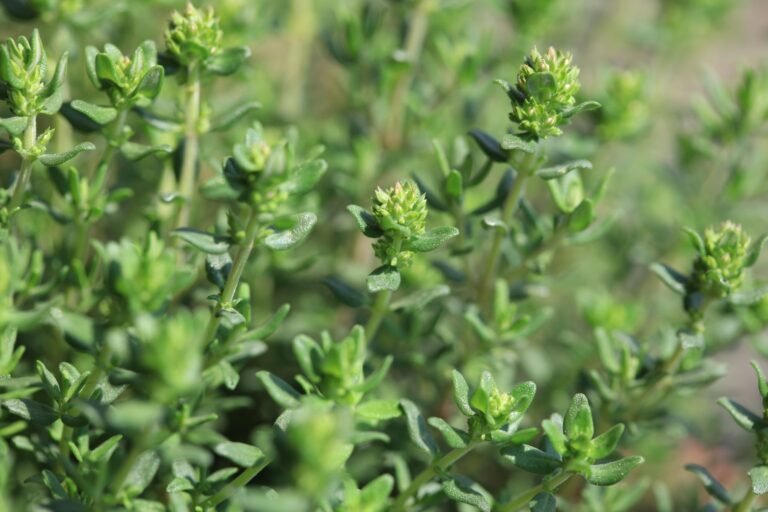

Chives

Chives- What exactly are they? Alliums- the scientific name of the family of plants that includes Chives, Spring Onions (Scallions) and Leeks grow all over the world in the wild and in gardens. Many people consider them to be weeds- think wild onion with lavender blooms you’ll see in meadows and fields to Giant Alliums showing off regally in a border garden.
Using Chives in your recipes adds a distinct and subtle flavour- a mild onion and garlic flavour, in delicate soups, sauces, fish and egg dishes. It is a gentle herb and you don’t want to over cook it, so I tend to add them towards the end of the cooking process to keep the flavours fresh and the colour vibrant.
Chives can take over a garden, and when established, need to be separated every three to four years if you want your other plants to have a chance. However, their appealing taste makes them more and more popular as intentional garden additions. The chives in our garden come up perennially- we use them so quickly, they haven’t had the opportunity to take over the garden, yet.
There is more to them than the flavour, even if the flavour is why they are in your hand. Chives are a good source of vitamin K, which the body needs for bone health and for normal blood clotting, along with vitamin A, folate and choline. Like the rest of the allium family — garlic, onions, leeks — they carry the sulphur compounds that make that family such a busy area of research. The honest caveat is quantity: a tablespoon of snipped chives over your eggs is a seasoning, not a serving of vegetables. Enjoy them for what they do to the plate and take the rest as a bonus.
Fresh vs Dried? I’ll always want to use fresh, however there are times when it’s tipping down rain outside and I can’t be bothered to go to the garden, and that is when dried chives come in handy!
**Updated 04.08.26**