
Superfoods for Skin: 2026 Nutrition Trends
Here’s what I’ve learnt after years of following nutrition and wellness trends: the beauty industry loves to overcomplicate things. But superfood trends in 2026 for glowing skin are bringing a refreshing shift. It’s less about expensive serums in tiny bottles and more about what’s actually on your plate.
The conversation around radiant skin is evolving. Leading dermatologists, nutritionists, and food scientists are finally agreeing on something fundamental: skin health begins from within. What we eat influences inflammation (think redness, breakouts, and irritated skin), collagen production, hydration, and how our skin ages.
Dr. Federica Amati, head nutritionist at Zoe—a health science company that studies personalised nutrition and the gut microbiome—explains that 2026 emphasises functional nutrition and gut-skin connections. Rather than chasing a short list of familiar ingredients, we’re moving toward a more holistic understanding. Food nourishes our largest organ: our skin.
Let me walk you through the most influential superfood and nutrition trends for 2026. These are transforming the way we think about skin health.
From Protein to Fibre: Superfoods for Skin Start Here
If protein dominated nutrition conversations over the past few years, fibre is absolutely having its moment in 2026. And honestly, it’s about time.
Priya Tew, a specialist dietitian and author of The Complete Low-FODMAP Diet Plan, puts it perfectly: “Fibre has notoriously been one of the least sexy of nutrients, so it is great it gets its moment in the spotlight.”
Here’s why this matters for your skin: fibre feeds the beneficial gut bacteria that produce short-chain fatty acids—compounds that help maintain your gut barrier and regulate immune responses. Because the gut and skin are intimately connected through what scientists call the gut-skin axis [basically, what happens in your gut directly affects your skin], a healthy gut microbiome translates to calmer, clearer, more resilient skin. Fibre is clearly an important cornerstone of the superfood trends in 2026 for glowing skin.
Beyond gut health, fibre helps regulate hormones that trigger breakouts and supports the diverse microbiome your skin needs to thrive. The daily recommended amount is around 30g [2 Tablespoons], but most of us are dramatically under eating it. The key is increasing your intake gradually—too much too quickly can lead to bloating and discomfort.
Fibre-rich superfoods for skin:
– Beans and pulses like lentils, chickpeas, and black beans
– Chia seeds and ground flaxseed
– Oats and barley
– Vegetables like broccoli, spinach, asparagus, and artichokes
– Fermented vegetables such as kimchi and sauerkraut
Start with simple swaps: stir chia seeds into your morning smoothie, add a handful of chickpeas to your salad or soup at lunch, and load your dinner plate with roasted vegetables alongside your usual protein and wholegrains.

The Year of the Bean: Budget-Friendly Superfoods for Skin
Nutritionists are calling 2026 “the year of the bean,” and I couldn’t be more pleased about this. Beans and pulses are nutrient powerhouses that tick multiple boxes—they’re affordable, sustainable, and absolutely wonderful for your skin.
Lucy Jones, chief clinical officer at Oviva (the NHS-partnered weight-loss app), notes that every 50g of beans or legumes you eat daily is associated with a six percent lower all-cause mortality risk. That’s rather impressive for something that costs a fraction of what most people spend on supplements.
What makes beans particularly impressive for skin is how they address multiple concerns simultaneously. The combination of fibre, protein, and minerals works together to support gut health, which directly influences skin clarity. Plus, they help maintain steady energy levels throughout the day, preventing the kind of energy crashes that have you reaching for sugary snacks that can trigger breakouts.
📌 Top tip: To avoid digestive discomfort, rinse tinned beans before using them—this removes some fermentable carbohydrates and sodium. If you are not accustomed to eating beans, start with small servings of 2-3 tablespoons and build up your intake over 2-3 weeks.
The Power of Plant Compounds: Your Skin’s Protection Squad
Here’s a term you’re going to hear more often: polyphenols. These are naturally occurring plant compounds that act as powerful antioxidants—think of them as your skin’s protection squad against environmental damage.
Dr. Karan Rajan, a doctor and founder of Loam [a company focused on gut health and longevity], explains that these compounds protect skin cells from damage caused by UV radiation, pollution, and stress. What makes them particularly interesting is that they also interact directly with the gut microbiome, behaving like prebiotics—the food that feeds beneficial bacteria—and enhancing the effects of dietary fibre.

Olive Oil’s Renaissance: From Pantry Staple to Functional Superfood
Olive oil is experiencing what I’d call a proper renaissance in 2026. It’s moving from something you just keep in the cupboard to a functional superfood that people are choosing as intentionally as they would select a fine wine.
High-quality extra-virgin olive oil is rich in healthy monounsaturated fats and beneficial plant compounds that support skin hydration and elasticity while protecting against cell damage from environmental stressors.
Today’s premium olive oils have distinct characteristics—some are bright and grassy, others fruity or buttery, and many have a peppery bite that indicates high levels of those beneficial plant compounds. Brands are now treating olive oil more like wine, highlighting region, harvest date, and specific health-promoting properties.
Look for oils labeled “high-polyphenol” or “early harvest”—these tend to have more of those beneficial plant compounds. Some premium brands to explore include oils from specific Mediterranean regions, though your local supermarket’s quality extra-virgin offerings work wonderfully too.
For skin health, the healthy fats in olive oil help maintain the skin’s protective barrier, keeping moisture locked in. The plant compounds provide antioxidant protection, fighting the free radicals—unstable molecules that damage cells—that accelerate aging. It’s genuinely one of the simplest, most effective additions you can make to your diet for healthy, glowing skin.
Use it generously—drizzle it over roasted vegetables, use it in salad dressings, finish soups with a swirl, or even take a small spoonful straight if you’re feeling adventurous. Some wellness-focused brands even offer small single-serving bottles designed for this purpose, though a good drizzle over food works just as well.
Fermentation Reimagined: Ancient Technique, Modern Applications
Fermented foods are undergoing a modern revival, and it’s extending far beyond yogurt and kombucha. In 2026, fermentation is appearing in olives, various vegetables beyond the traditional sauerkraut, nut butters, condiments, artisanal breads, and functional snacks.
For skin health, this trend is particularly exciting. Fermented foods can improve how well your body absorbs nutrients, support the diversity of beneficial bacteria in your gut, and enhance digestion. All of this translates to improved skin barrier function, reduced redness and irritation, and better management of inflammatory skin conditions like acne, eczema, and rosacea.
What’s wonderful about the new wave of fermented products is that they’re making this ancient preservation technique accessible to people who might not enjoy traditional fermented flavors. You can now find fermented olives, properly fermented pickles [interestingly, most supermarket pickles aren’t actually fermented—they’re just pickled in vinegar], colorful sauerkrauts with added fruits or vegetables, fermented hot sauces, and specialty breads made with long fermentation processes.
The key is finding fermented foods you genuinely enjoy eating regularly. Consistency matters more than perfection, and I’m finding this superfood trend really exciting – it presents a creative opportunity!
Beyond Basic Citrus: Unconventional Fruits Taking Center Stage
Pomegranate: The Longevity Fruit
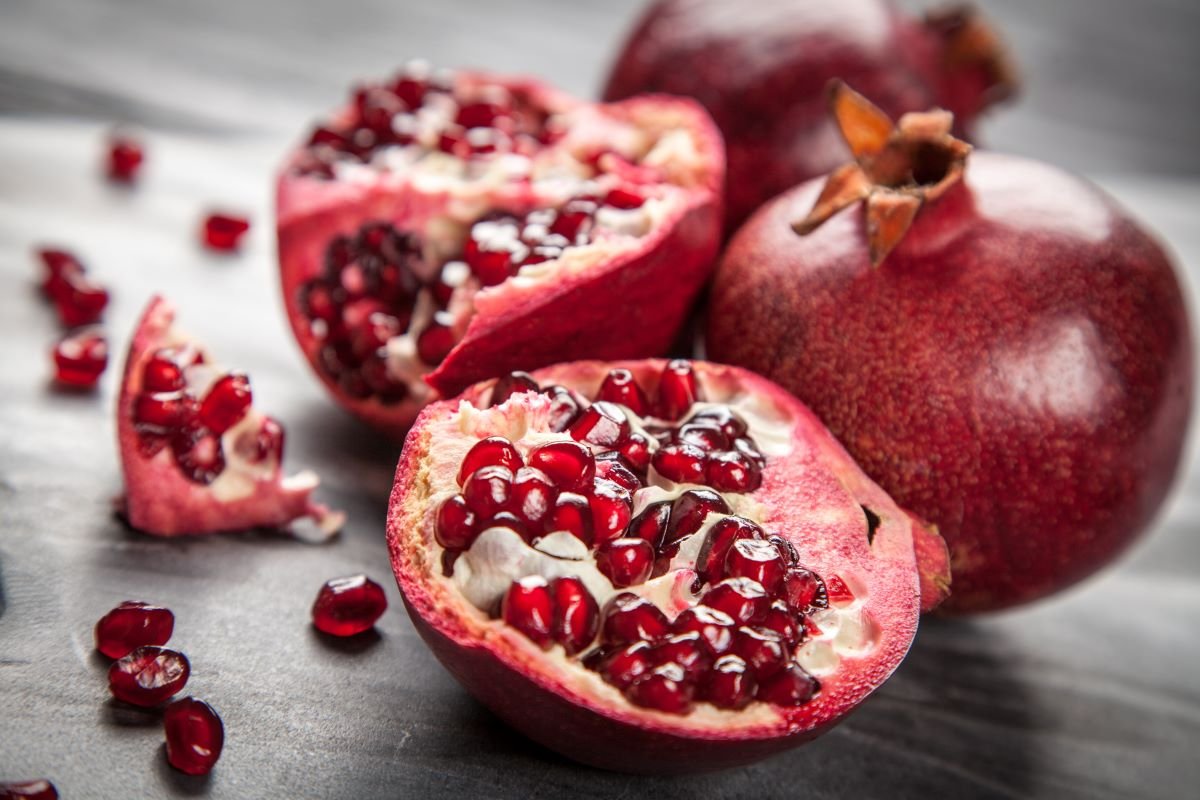
Pomegranate is gaining serious attention, and not just for its antioxidant content. Dr. Nirusha Kumaran, a GP and longevity expert, explains that we’re beginning to understand pomegranate’s deeper biological effects.
Here’s what’s fascinating: when you eat pomegranate, your gut bacteria convert certain compounds into a substance that supports cellular repair and longevity at a fundamental level. It also encourages the growth of Akkermansia [now that’s a mouthful!], a beneficial bacterial species associated with improved metabolic health, gut barrier integrity, and reduced inflammation.
For skin, this means regenerative repair happening at a deeper level, supporting the kind of radiance that comes from genuine cellular health rather than surface-level fixes.
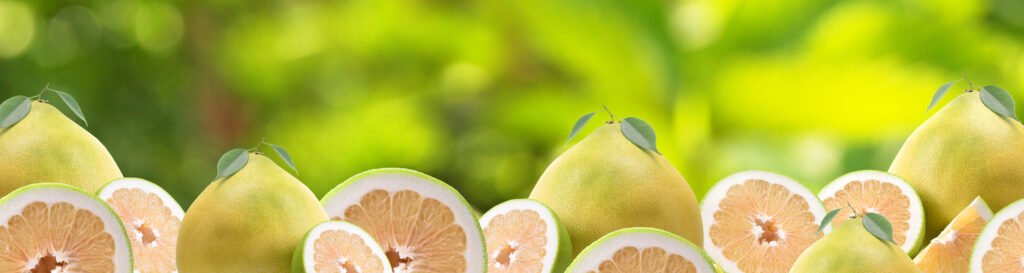
Yuzu, Calamansi, and Pomelo: The New Citrus Stars
You might not be familiar with these fruits yet, but they’re appearing in more products and recipes. Yuzu is a Japanese citrus fruit that’s aromatic, floral, and delicately tart—imagine a cross between a lemon and a mandarin. Calamansi is a small, round citrus from Southeast Asia with tropical notes and a sharp, tangy flavor. Pomelo is the largest citrus fruit, like a sweeter, less bitter version of grapefruit with a thick, easy-to-peel rind.
As superfoods for skin, these fruits provide vitamin C for collagen synthesis, alongside beneficial plant compounds that support healthy circulation and even skin tone. They’re showing up in sparkling waters, speciality marmalades, salad dressings, and cocktails—try muddling yuzu with fresh herbs and gin for a sophisticated, aromatic drink, or mix calamansi juice with tequila and a touch of honey for a tropical twist on a margarita.
Each brings its own personality to dishes and drinks. They’re following the same path that ingredients like miso, kimchi, and coconut water took—from unfamiliar to mainstream as people discovered their unique flavors and health benefits. And, what a marvellous superfood trend! I bought a Pomelo the other day, and it was superb!
Natural Hydration: Beyond Just Drinking Water
Hydration remains one of the most overlooked aspects of skin health, but 2026 is reframing how we think about it. Rather than just drinking more water, nutritionists are encouraging hydration through foods and warm beverages.
Savoury breakfast soups, bone broths, herbal teas, and water-rich fruits like watermelon are being recognised as skin-supportive staples. These options support digestion, provide minerals that help maintain fluid balance, and contribute to that healthy glow.
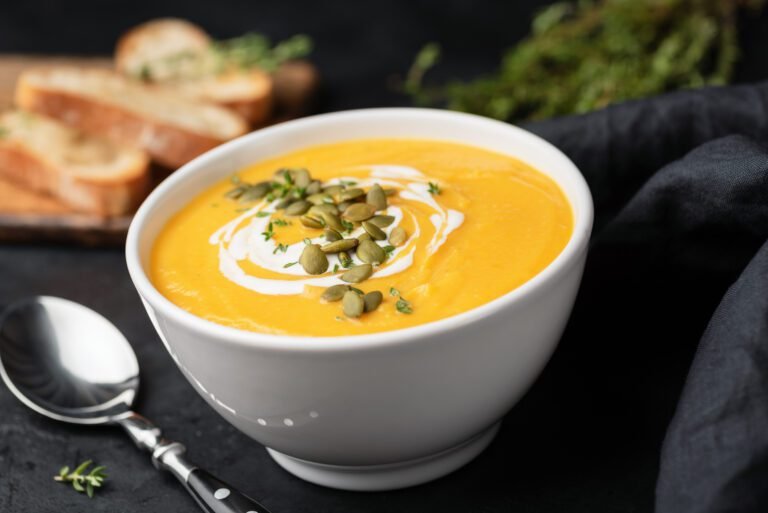
Kat Chan, nutritionist and author of Full Serving newsletter, champions savoury breakfast soup as one of the most grounding ways to start the day. “I love that it breaks the breakfast rules. It’s cross-cultural, and there are no specific guidelines other than including protein, fat, and fibre. A warm, protein-rich, hydrating bowl stabilises blood sugar, supports digestion, and helps people feel more settled.” Wow! I love left over soup for breakfast, and now it’s a superfood trend for glowing skin! Excellent news.
Watermelon deserves special mention. Warren Whiteley, a personal trainer, swears by watermelon juice for its natural hydration and mineral content including magnesium, potassium, and vitamin C. Here’s the interesting bit: the white part between the pink flesh and the green outer skin is actually the most beneficial part. It’s rich in an amino acid that supports healthy blood flow, which means better nutrient delivery to your skin. You can juice this white part along with the pink flesh (remove the tough green outer skin), blend it all together, strain if you prefer, and serve with fresh mint and lime.
Collagen Support: The Full Nutritional Picture
While collagen-fortified foods and beverages continue growing in popularity, experts emphasise that collagen support requires a complete nutritional approach.
Your body needs specific superfoods for skin to produce and maintain collagen: adequate protein from sources like fish, beans, tofu, eggs, and poultry; vitamin C from fruits and vegetables; zinc from pumpkin seeds, chickpeas, and shellfish; selenium from Brazil nuts and fish; copper from nuts, seeds, and wholegrains; and anti-inflammatory omega-3 fats from olive oil and fatty fish.
Dr. Julie Fratantoni, cognitive neuroscientist, highlights fatty fish as particularly powerful: “The ‘SMASH’ fish—salmon, mackerel, anchovies, sardines, and herring—are high in omega-3s and low in mercury. Studies have found that people who eat one or two servings a week enjoy healthier ageing.”
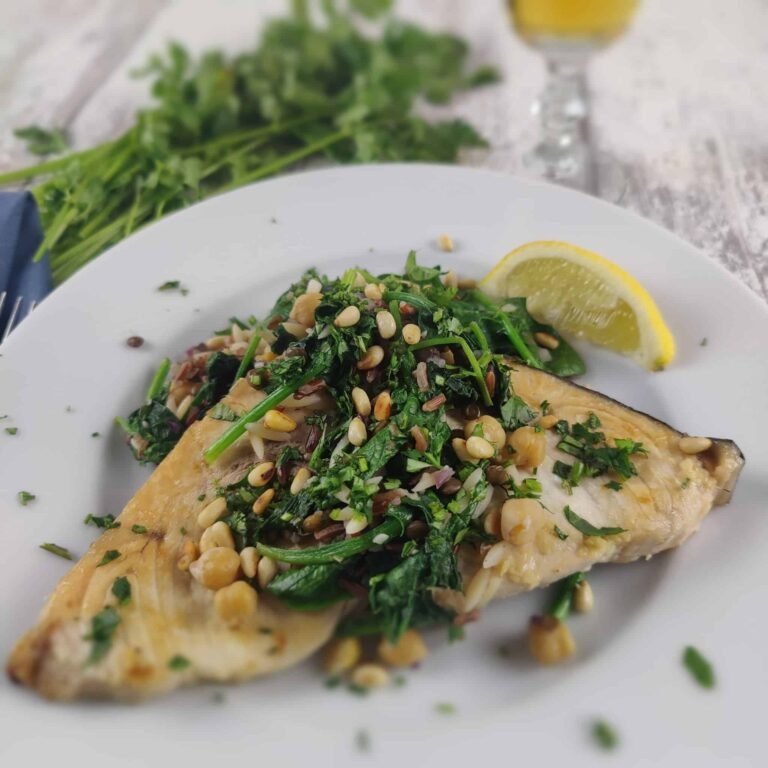
These omega-3 fatty acids maintain the skin’s protective barrier and address inflammation that can manifest as redness, dryness, or breakouts. Think of a collagen-supporting meal as grilled salmon with roasted vegetables drizzled in olive oil, served alongside a quinoa based salad and topped with pumpkin seeds—you’re getting protein, vitamin C, healthy fats, and essential minerals all in one plate.
Plant-Forward, Regenerative Eating: Quality Over Quantity
In 2026, skin health trends intersect beautifully with sustainability. There’s growing interest in how food is grown, not just what’s grown, and this has real implications for nutrition.
The quality of soil directly influences the nutrient content of the food grown in it. Healthy, living soil—rich in minerals and beneficial microorganisms—produces plants with higher levels of vitamins, minerals, and antioxidants. This means the tomatoes, spinach, or sweet potatoes you eat could have significantly different nutritional profiles depending on how they were grown. True skin health begins with the soil. Moving away from commercial, chemical-heavy agriculture toward mindful sourcing preserves the vital nutrients your skin needs to thrive.
Catherine Hurley Arbibe, founder of a wellness consultancy, explains: “The mineral and microbial content of soil influences the vitamin, mineral, and antioxidant levels of fruits, vegetables, and grains.”
This isn’t about perfection—it’s about awareness. When you can, choose organic or regeneratively grown produce, shop at farmers’ markets where you can ask about growing practices, and prioritise whole foods over heavily processed alternatives. Even small shifts make a difference.

Low-Lift Nutrition: The Most Important Trend of All
Perhaps the most significant trend of 2026 is the shift toward what experts are calling “low-lift nutrition.” Rather than restrictive diets, expensive supplements, or complicated meal plans, this approach emphasises simple, repeatable habits that deliver cumulative benefits.
This resonates with me because it’s sustainable. Quick fixes don’t work for skin health—consistency does. And consistency requires that healthy choices be easy, enjoyable, and affordable.
What low-lift nutrition actually looks like:
It’s about making small, manageable swaps rather than complete diet overhauls. Swapping white rice for brown rice a few times a week. Adding an extra vegetable to your dinner plate. Keeping a jar of sauerkraut in the fridge and having a forkful with meals. Choosing fruit when you want something sweet instead of automatically reaching for biscuits.
It’s about cooking at home more often, even if that just means assembling rather than elaborate recipes. A tin of chickpeas drained over salad greens, dressed with olive oil and lemon. Eggs scrambled with leftover vegetables. A bowl of soup made from whatever’s in your fridge.
It’s about trusting your body’s signals rather than external rules. Eating when you’re genuinely hungry, not because it’s “time.” Stopping when you’re satisfied, not stuffed. Drinking water when you’re thirsty, not forcing yourself to drink litres because some app told you to.
It’s about letting go of perfection. You don’t need to eat superfoods everyday and avoiding entire food groups isn’t necessary. Also, you won’t need expensive supplements if you’re eating reasonably well. Progress, not perfection, is what creates lasting change for your skin and your overall health.
>The beauty of this approach is that it removes the pressure and overwhelm that makes most nutrition advice feel impossible to follow. When healthy eating feels manageable, you actually do it—and that consistency is what transforms your skin over time.
The Future of Skin Health Is Holistic
The superfood trends shaping 2026 signal a powerful shift in how we think about beauty and wellness. Skin health is no longer about chasing the latest topical product or trying to fix problems from the outside in.
It’s about nourishing your body at a cellular level through fibre that feeds beneficial bacteria, fermented foods that support digestion and immunity, plant compounds that protect against cell damage from environmental stressors, healthy fats that maintain your skin’s protective barrier, natural hydration, and genuine nutrient density.
As research continues to evolve, one truth becomes increasingly clear: the most effective skincare routine begins on your plate. The superfood trends shaping 2026 aren’t just passing fads—they represent a fundamental shift in how we approach beauty and wellness, moving away from expensive quick fixes toward nourishing our bodies at a cellular level. By embracing these simple, sustainable eating habits—not because they’re trendy, but because they genuinely support the biological processes your skin depends on—you’re making an investment in long-term radiance that no serum can replicate. We hope these insights inspire you to discover just how transformative eating for your skin can be.
Bon appétit! 🍽️
1. The Health Site – Superfoods for Glowing Skin in 2026
2. Good Housekeeping Institute – Nutrition & Food Trends for 2026
3. BBC Good Food – Nutritionists Predict 2026’s Biggest Healthy Eating Trends
4. Vogue UK – Nutrition Trends for 2026
5. The Lancet – Dietary fibre and health outcomes (2019)
6. British Nutrition Foundation
7. Expert commentary from registered dietitians Priya Tew, Amanda Ursell, Jennifer Low, Bridget Benelam, Juliette Kellow, Valerie Agyeman, Lucy Jones; nutritionists Ian Marber, Dr. Federica Amati, Rhian Stephenson, Kat Chan, Rosemary Ferguson, Jessica Shand; and medical experts Dr. Nirusha Kumaran, Dr. Karan Rajan, Dr. Julie Fratantoni