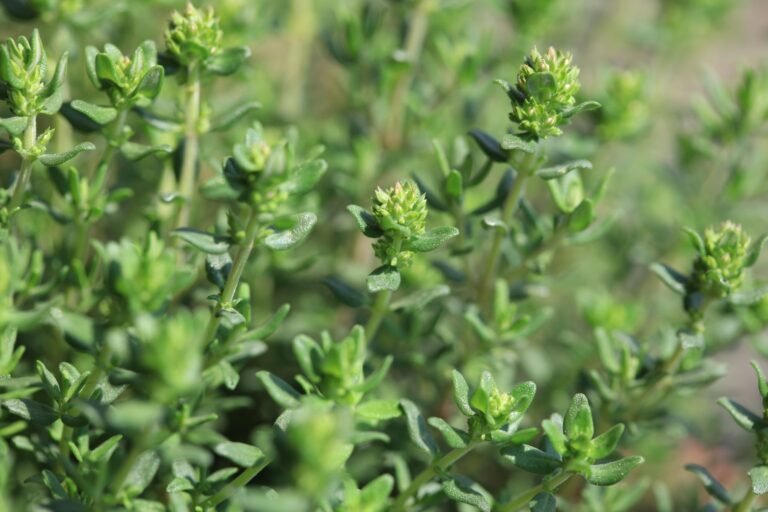

Oregano

Oregano has a strong flavour, adds warmth to dishes, and a hint of subtle sweetness, yet most people think of pizza and pasta sauce when they think of Oregano. It is commonly used in marinades for chicken, lamb and beef dishes, and I always add it to soups and stews, or toss a handful of fresh leaves into a green salad for a kick. Ingredients that pair well with oregano include garlic, basil, onion, and thyme. Fresh oregano leaves [or micro herbs] are an excellent garnish to add in moderation at the end of cooking, particularly to hearty tomato based dishes or meats.
Oregano doesn’t just taste fabulous and look good, it is also an herb that boasts some potent health benefits.. It is high in antioxidants- which are compounds that help fight damage from harmful free radicals in the body. It has a long history as a traditional remedy, too: the oil from its leaves has been used against infections for centuries, though a few leaves in a sauce are there for the flavour, not the cure.
Oregano grows very easily, year round in our herb garden. It doesn’t seem to attract pests and is hearty. It is quite strong when used fresh, so sometimes less is best. Fresh vs Dried? Both have their place in the kitchen, and I always keep a jar of dried oregano in the cupboard.
Oregano needs to be in your kitchen; it smells divine, turns an average sauce into a fabulous sauce and may help improve your health. It’s a no-brainer.
**updated 19.10.26**